

A septic system plays a vital role in your daily life. It treats wastewater safely and efficiently, protecting the environment and your health. If it fails, the consequences are heavy: environmental contamination, a home you can’t use, and thousands of dollars in repair bills.
This is why a professional inspection is crucial—not just when you are buying a home, but also when you are planning to replace an aging system. Here is a breakdown of how an inspection works and what you need to look for.
Why You Need a Qualified and Insured Professional
Choosing an inspector who belongs to a professional order is your best protection. Membership in orders like the OTPQ (Technologists), OGQ (Geologists), or OIQ (Engineers) guarantees that the person has the right skills and carries professional liability insurance.
If a dispute arises after the inspection, having an insured professional makes it much easier to reach a fair resolution. At Soluo, all our reports are sealed by an authorized professional to give you long-term peace of mind.
The 4 Steps of a Septic Inspection
- Archive Analysis: The inspector begins by reviewing documents like your location certificate, past maintenance records, and installation plans. They also look at online data, such as soil maps and land registries, to plan their visit effectively.
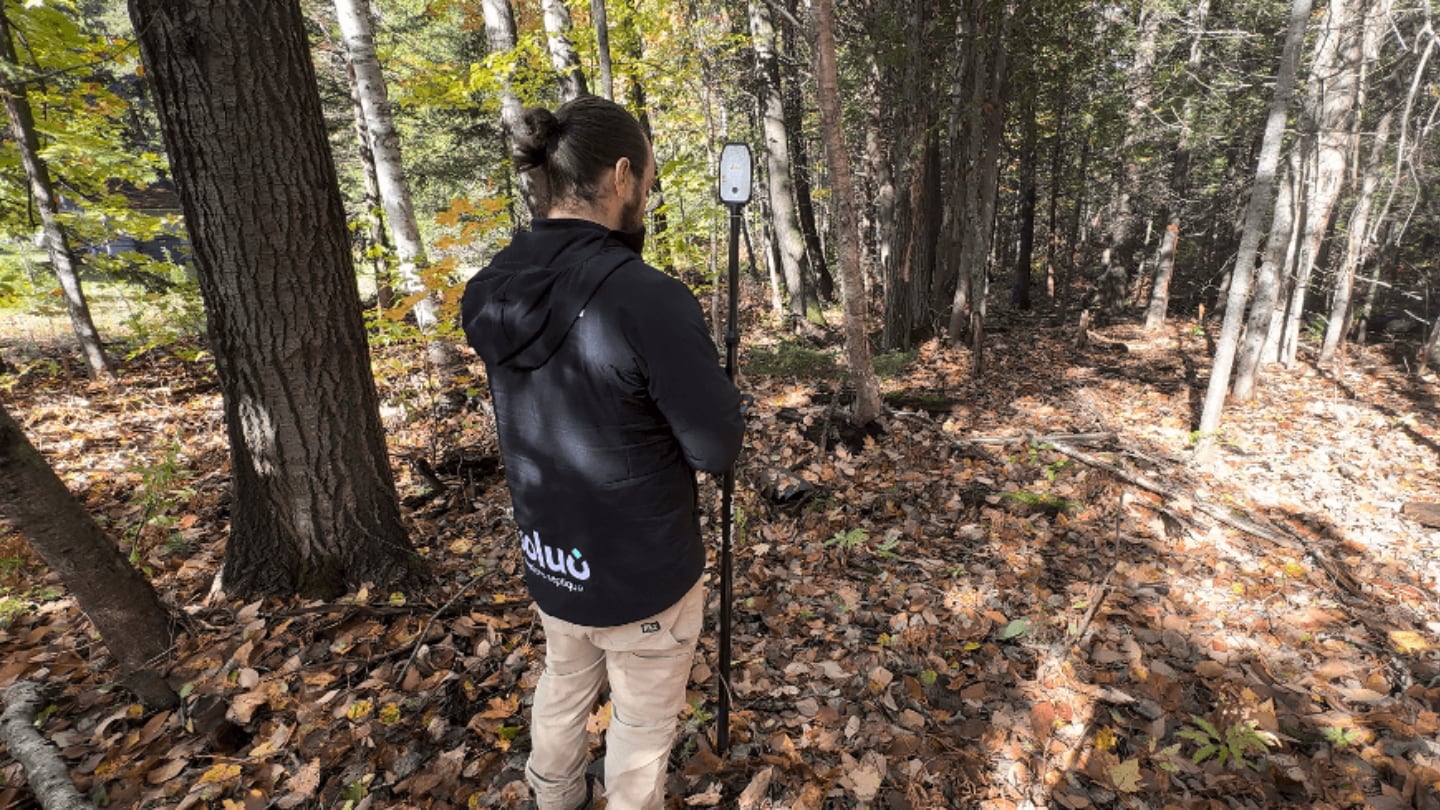
- On-Site Inspection: Once on your property, the expert observes the installation and performs tests to evaluate its condition. While it is impossible to predict the exact “expiration date” of a system, these tests reveal signs that impact its remaining lifespan.
- Replacement Options: Every system has a limit. A key part of the inspection is identifying how you will eventually replace it. Modern provincial regulations are much stricter than they used to be, and your land might require advanced treatment systems. Your expert will outline these options and the costs involved.
- The Final Report: You should always receive a formal written report. This document summarizes the findings, describes the current state of your land, and provides clear conclusions.
Checklist: What Should Be in Your Report?
When you read your inspection report, make sure these key areas were covered:
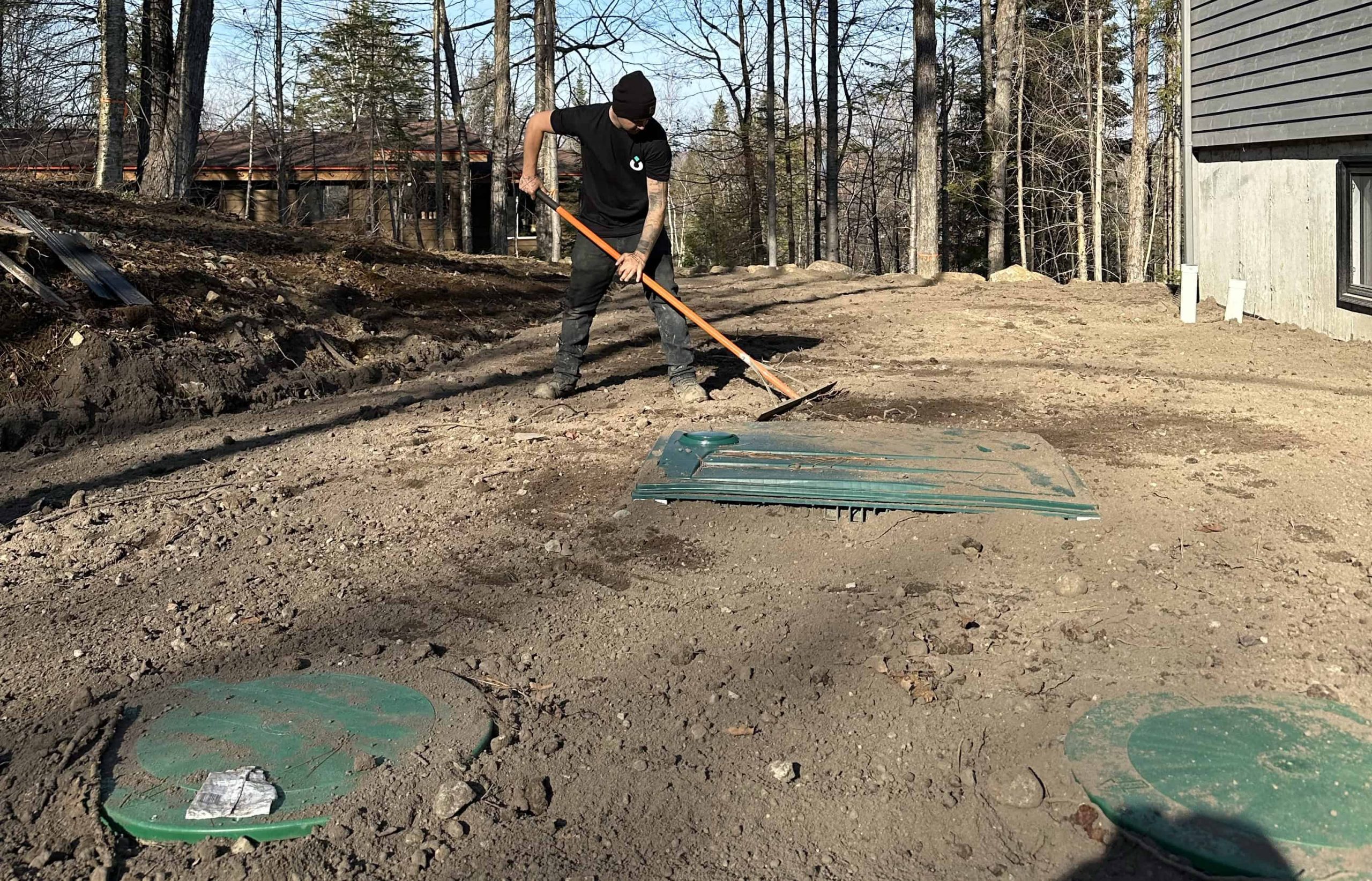
- The Septic Tank: Was it checked for leaks or corrosion? Is the water level normal (not higher than the outlet pipe)?
- The Leaching Field: Is it free of heavy brush or standing water? Ideally, the grass above it should be a healthy, uniform green.
- Pipes and Fittings: Are they intact and moving water properly without cracks?
- The Pump System (if you have one): Is it functioning without obstructions?
- Signs of Failure: Did the inspector look for sewage smells, slow drains, or backups in the house?
- Local Regulations: Does the system meet the specific rules of your municipality?
In Short
An inspection is a major responsibility for any homeowner. By hiring a qualified expert and following preventive maintenance, you can ensure your system works efficiently for years. Remember: regular maintenance is the key to extending the life of your septic system and protecting your investment.
Need a professional inspection in Northern Quebec? Contact us to schedule an appointment.

About the Author
Étienne Gaudette
Chief Executive Officer (CEO)
Étienne Gaudette is the president of the Soluo Group, a company specializing in inspection, design and residential septic installation work serving the majority of regions of Quebec for more than 30 years. Thanks to his creative mind and his background in marketing consulting and as director of the group of experts in decentralized water management at Réseau Environnement, Étienne brings a unique vision to the on-site sanitation industry in Quebec in order to bring together the all industry players for the benefit of Quebecker. One goal: Change the world, one septic installation at a time.
You liked this post?
Share


Our certification